 Beetle
 T2 Bay
 T2 Split
 T25
T25
 Transporter T4
 Transporter T5
 Golf Mk1
 Golf Mk2


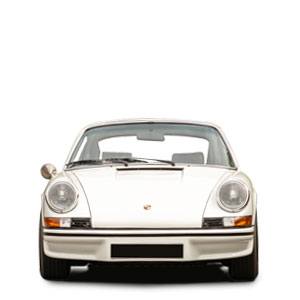 911
911
 996
996
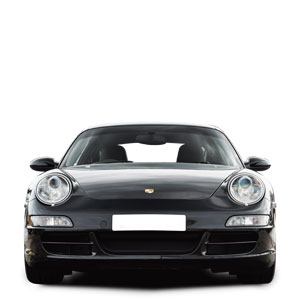 997
997
 986 Boxster
 987 Boxster
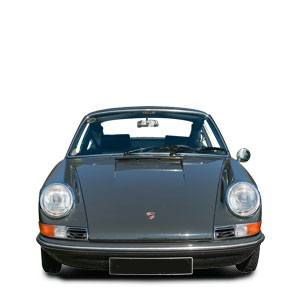 912
912
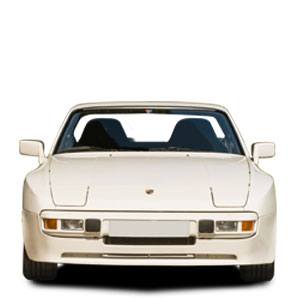 944
944
 924
924


 Defender
 Discovery Series 1
 Discovery 2
 Series 1, 2 & 3
 Freelander
 Freelander 2




Maya realized that being part of this culture meant being a guardian of hope. Her story wasn't a solo performance; it was a verse in a much longer anthem of resilience, joy, and the radical act of being seen [2, 13].
One evening, Maya sat with Leo, a trans man who had transitioned in the 90s. He spoke of a time when the "T" in the acronym felt like a whisper [1, 6]. "We didn't have the words you have now," Leo said, his eyes reflecting the neon sign outside. "But we had each other. We built our own families when our blood ones walked away" [7, 8].
Maya lived in a city that felt like a patchwork quilt—vibrant, loud, and full of stories. As a trans woman, her own story was one of becoming. It wasn't just about the mirrors or the hormones; it was about the quiet bravery of choosing herself every single morning [1, 2].
The heart of Maya’s world was "The Archive," a local community center that smelled of old books and espresso [3]. Here, the wasn't just a label; it was a living, breathing lineage. On Friday nights, the space transformed. You’d see older "Founding Mothers" of the local drag scene sharing tips on lace-front wigs with non-binary teenagers, bridging decades of struggle with a single tube of glitter [4, 5].