







Вќ¤пёџвќ¤пёџciobanas Din Iaslovat - Chefdechef Bandвќ¤пёџвќ¤пёџ Guide
Unlike the melancholic doina (folk lament), the ChefDeChef version focuses on the cântec de joc (dance song) aspect.
Iaslovăț, a commune in Suceava County, Romania, is a historical hub for Bukovinian traditions. In Romanian folklore, the figure of the ciobănaș (young shepherd) is a central archetype representing:
This paper explores the cultural and musical significance of (The Shepherd from Iaslovăț), a classic of Romanian folk music popularized by artists like Margareta Clipa and recently reinterpreted by contemporary ensembles like the ChefDeChef Band. Abstract Unlike the melancholic doina (folk lament), the ChefDeChef
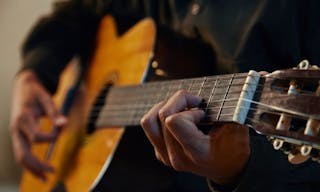
While the song is most famously associated with Margareta Clipa—whose 1985 recordings with the Electrecord House of Records helped preserve the "pure essence" of peasant music—it has seen a resurgence through "Chef" (party/feast) bands.
The rhythm is designed for the Sârbă or Hora , traditional circle dances that foster social cohesion. Conclusion Abstract While the song is most famously associated
Regional festivals, such as the "Flori de Mai" Folk Festival in Iaslovăț, continue to celebrate these themes through song and dance. 2. Musical Evolution: From Margareta Clipa to ChefDeChef
The lyrics typically celebrate the pastoral landscape and the charisma of the shepherd. Key themes include: acting as the of contemporary celebrations.
The endurance of "Ciobănaș Din Iaslovăț" highlights the adaptability of Romanian folklore. Bands like ChefDeChef Band ensure that these ancestral melodies do not become museum pieces but continue to vibrate in the "rehearsal rooms and concert halls" of modern life, acting as the of contemporary celebrations.

