
Transforming Spaces, One Breath at a Time
Our real-time air quality monitors, EC fans, and electronic filtration systems work together to deliver the purest air possible
Our real-time air quality monitors, EC fans, and electronic filtration systems work together to deliver the purest air possible


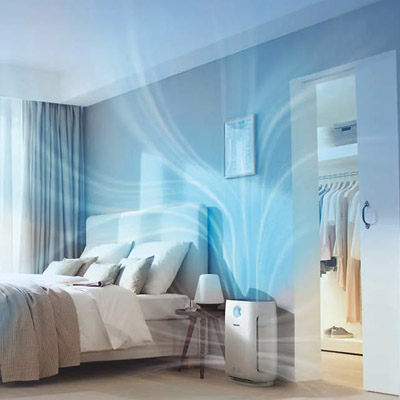
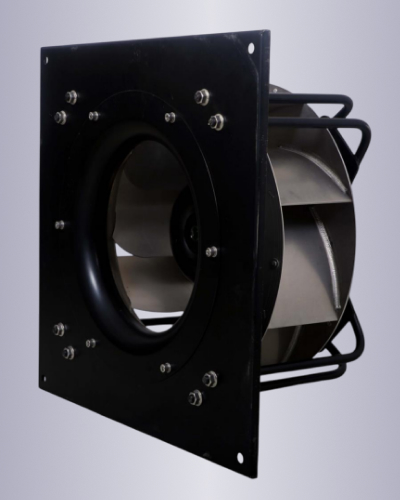
Our real-time air quality monitors, EC fans, and electronic filtration systems work together to deliver the purest air possible

Our WELL-compliant monitors deliver highly accurate sensor readings, feature Wi-Fi connectivity, and boast a sleek glass finish that complements any interior
Our best in class high efficiency, high performance EC fans are ideal for purified air ventilation


Akron allows you to run your building from a single dashboard, integrated with minimal time and expertise upfront
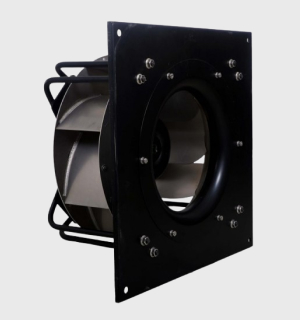
Best in efficiency class EC fans in market with low heat emission pigtails teens xxx

Our WELL Compliant sensors are best in class and provide the needed accuracy to get any project certified

Market Leading efficiency with minimal heat emissions and perform well even at partial loads

Our monitors allow for demand control ventilation making the overall system very energy efficient while maximizing occupant comfort

Our Wi-fi enabled AQI monitors are tightly integrated with our EC fans, providing unparalleled hardware software integration, resulting in best in class performance.
Symbolized domestic innocence and idealized girlhood (e.g., Lucille Ball in early sitcoms, or the low-parted pigtails of the 70s).
Traditionally, pigtails (or "twin-ponytails") were functional, used to manage children's hair during active play. In Western media, "putting hair up" historically signaled a coming-of-age, while pigtails remained firmly categorized as a "girly" or "childish" style.
The Semiotics of Pigtails in Adolescent Entertainment and Popular Media
Emerged as a staple of the "sexy schoolgirl" trope, most notably by Britney Spears in the "...Baby One More Time" music video.
The representation of pigtails in teen-focused entertainment has evolved from a simple signifier of childhood innocence into a complex cultural symbol that navigates the tension between and sexualization . While traditionally used to denote youthfulness in classic characters like Angelica Pickles ( Rugrats ) or Bubbles ( The Powerpuff Girls ), the hairstyle is frequently repurposed in modern media to evoke specific, often contradictory, social narratives. 1. Historical and Cultural Evolution
"Ready to improve your indoor air quality? Get in touch with us today to explore our certified IAQ solutions. Breathe easier, live healthier—contact us now!"
Symbolized domestic innocence and idealized girlhood (e.g., Lucille Ball in early sitcoms, or the low-parted pigtails of the 70s).
Traditionally, pigtails (or "twin-ponytails") were functional, used to manage children's hair during active play. In Western media, "putting hair up" historically signaled a coming-of-age, while pigtails remained firmly categorized as a "girly" or "childish" style.
The Semiotics of Pigtails in Adolescent Entertainment and Popular Media
Emerged as a staple of the "sexy schoolgirl" trope, most notably by Britney Spears in the "...Baby One More Time" music video.
The representation of pigtails in teen-focused entertainment has evolved from a simple signifier of childhood innocence into a complex cultural symbol that navigates the tension between and sexualization . While traditionally used to denote youthfulness in classic characters like Angelica Pickles ( Rugrats ) or Bubbles ( The Powerpuff Girls ), the hairstyle is frequently repurposed in modern media to evoke specific, often contradictory, social narratives. 1. Historical and Cultural Evolution