These target C. acnes and reduce the "fire" of inflammation.
Are you looking into this for , or are you trying to tailor a skincare routine for a specific skin type?
This is for informational purposes only. For medical advice or diagnosis, consult a professional. AI responses may include mistakes. Learn more
While acne and rosacea often share space on the pharmacy shelf, they are distinct biological puzzles. Both involve the face, cause redness, and can crush a person’s self-esteem, but their underlying mechanisms—and how we fix them—are worlds apart. The Pathogenesis: Clogs vs. Cascades
, conversely, is less about "clogs" and more about dysregulation . It is primarily a disorder of the innate immune system and neurovascular signaling. In rosacea patients, the skin overreacts to triggers like UV light, heat, or spicy food. This involves an overproduction of cathelicidins (antimicrobial peptides), which leads to abnormal blood vessel dilation (angiogenesis) and inflammation. There is also a microscopic guest involved: the Demodex mite . While everyone has them, people with rosacea often have a higher density, which may trigger the pustules seen in the inflammatory subtype. Treatment Strategies: Precision over Protocol Because the "why" differs, the "how" must follow suit.
Since the skin barrier in rosacea is often compromised, treatment heavily relies on avoiding triggers and using mineral sunscreens to prevent the immune system from "misfiring." The Bottom Line
For severe cases, this heavy hitter addresses all four pathogenic factors at once, often leading to permanent remission.
Brimonidine or oxymetazoline gels work like a "constriction" button for dilated blood vessels to reduce redness.
These target C. acnes and reduce the "fire" of inflammation.
Are you looking into this for , or are you trying to tailor a skincare routine for a specific skin type?
This is for informational purposes only. For medical advice or diagnosis, consult a professional. AI responses may include mistakes. Learn more
While acne and rosacea often share space on the pharmacy shelf, they are distinct biological puzzles. Both involve the face, cause redness, and can crush a person’s self-esteem, but their underlying mechanisms—and how we fix them—are worlds apart. The Pathogenesis: Clogs vs. Cascades
, conversely, is less about "clogs" and more about dysregulation . It is primarily a disorder of the innate immune system and neurovascular signaling. In rosacea patients, the skin overreacts to triggers like UV light, heat, or spicy food. This involves an overproduction of cathelicidins (antimicrobial peptides), which leads to abnormal blood vessel dilation (angiogenesis) and inflammation. There is also a microscopic guest involved: the Demodex mite . While everyone has them, people with rosacea often have a higher density, which may trigger the pustules seen in the inflammatory subtype. Treatment Strategies: Precision over Protocol Because the "why" differs, the "how" must follow suit.
Since the skin barrier in rosacea is often compromised, treatment heavily relies on avoiding triggers and using mineral sunscreens to prevent the immune system from "misfiring." The Bottom Line
For severe cases, this heavy hitter addresses all four pathogenic factors at once, often leading to permanent remission.
Brimonidine or oxymetazoline gels work like a "constriction" button for dilated blood vessels to reduce redness.
The place to go if you have questions on how to use your products.
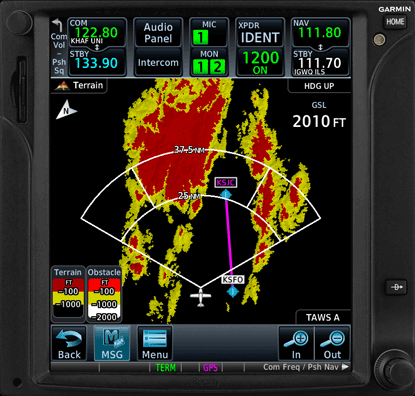
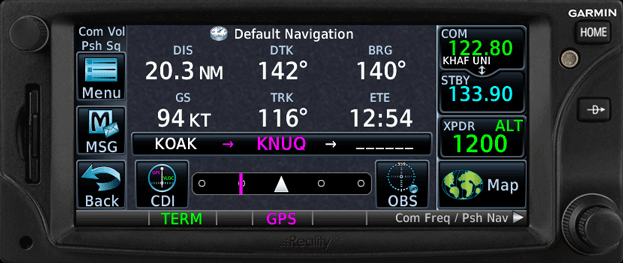
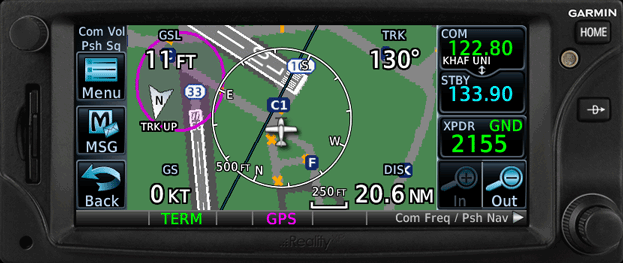
Join the conversationPrepare yourself to embrace the Ultimate Glass Cockpit Upgrade, with our upcoming
simulation of the Garmin G500/G600 PFD/MFD for Prepar3D, Flight Simulator and XPlane.