Slip into the role of an unusual HERO and
find the last letter to restore hope in a merciless world.
Buy & Download from here:



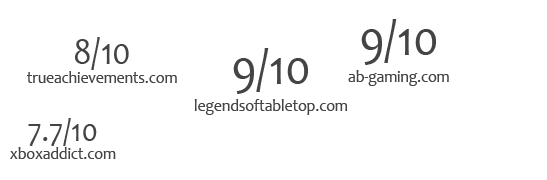


"With a wonderful balance of platforming, word puzzle solving, and its overall look and feel, Typoman is a great game for any gaming family’s digital library."
(Family Gamer Review)

NVIDIA Accredited Partner
The song serves as a poetic yet blunt critique of the grueling daily life of the Brazilian working class.
The performance of "" by O Rappa featuring Maria Rita , particularly the version from the Acústico MTV (2005) album, is widely regarded as a definitive moment in Brazilian music. It transforms a gritty social commentary into a soulful anthem of resilience. Lyricism and Social Commentary O Rappa - Rodo Cotidiano (Participação Maria Rita)
Watch the powerful live acoustic performance that brought these two icons together: The song serves as a poetic yet blunt
: Comparing the crowded train to a "Concorde apressado" (hurried Concorde) serves as a sharp irony—contrasting a symbol of high-speed luxury with the slow, heavy, and exhausting reality of the worker's commute. Lyricism and Social Commentary Watch the powerful live
Maria Rita’s participation adds a layer of vulnerability and sophistication to the track. Her vocal delivery contrasts with Marcelo Falcão’s raw, energetic style, bringing a sense of "longing and protection" to the song's heavy themes. Many fans note that her presence softens the "darker" edge of the band’s later work, making the acoustic version feel more like a shared human experience rather than just a protest song. Cultural Impact
For many listeners, the song acts as a "mirror" for their own struggles, providing a sense of validation for those who feel invisible in the urban "drain of people" ( ralo de gente ). It is frequently cited as a "song for the worker," giving voice to the "lunchbox in the crumpled backpack" ( quentinha abafada ) and the "little change" that is "almost nothing" ( meu troco é pouco, é quase nada ).


