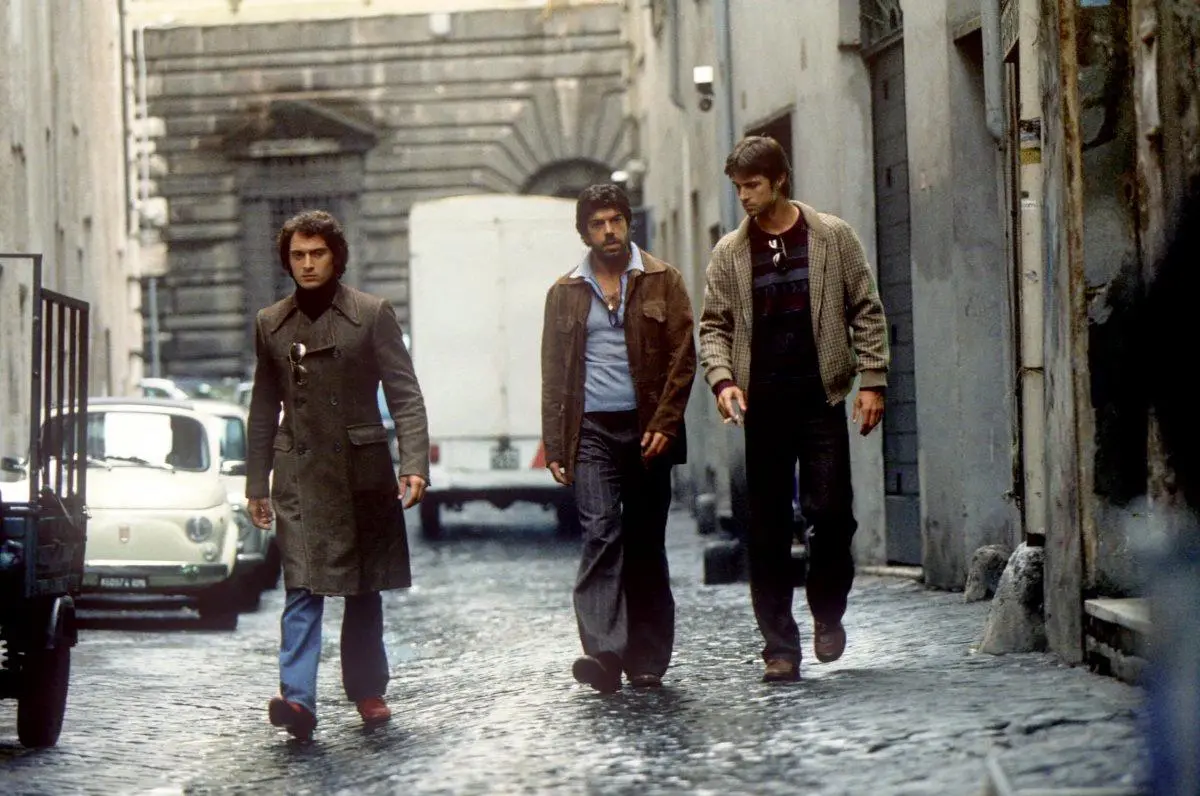
Four kids entertain themselves with daring adventures: during one of these, they steal a car, run over a policeman and escape to their hideout, a caravan on the dunes of Capocotta beach. Later in life, the four form a criminal gang with the aim of conquering Rome. Most of the film was shot in the neighbourhoods of Magliana, Garbatella, Trastevere and Monteverde.
The external façade of Patrizia’s brothel is villino Cirini, in via Ugo Bassi, Monteverde. Freddo’s brother and Roberta live in the same housing estate in Garbatella. The house of Terribile, which later becomes Lebanese’s, is Villa dell’Olgiata 2, in the area of Olgiata north of Rome, while Freddo lives in via Giuseppe Acerbi, in the Ostiense neighbourhood, not far from where Roberta’s car blows up in via del Commercio, in the shadow of the Gazometro.
Terribile is executed on the steps of Trinità dei Monti. Leaning on the rail overlooking the archaeologial ruins in largo Argentina, Lebanese and Carenza talk about the kidnap of Aldo Moro. The Church of Sant’Agostino where Roberta shows Freddo Caravaggio’s Madonna dei Pellegrini is the location for several key scenes in the film. Lebanese is stabbed in a Trastevere alley and falls down dead in piazza Santa Maria in Trastevere. The hunt for Gemito ends in a seafront villa in Marina di Ardea-Tor San Lorenzo, on the city’s southern shoreline, where he is murdered. Forced to hide, Freddo finds refuge in a farmhouse in Vicarello, hamlet of Bracciano. hung tranny big
A scene which opens over the altare della Patria and the Fori Imperiali introduces the end of the investigation into Aldo Moro’s kidnap, followed by repertory images of the discovery of his body in via Caetani. The many real events included in the fictional tale include the bomb attack at the station of Bologna at 10:25 am, 2 August 1980: in the film, both Nero and Freddo are in Piazzale delle Medaglie d’Oro several seconds before the bomb explodes.
Commissioner Scaloja, who is investigating the gang, takes a fancy to Patrizia: they stroll near the Odescalchi Castle in Ladispoli. He finds out if his feelings are reciprocated when, several scenes later, he finds her in a state of confusion near Castel Sant’Angelo. Trans women face unique challenges, including high rates
Four kids entertain themselves with daring adventures: during one of these, they steal a car, run over a policeman and escape to their hideout, a caravan on the dunes of Capocotta beach. Later in life, the four form a criminal gang with the aim of conquering Rome. Most of the film was shot in the neighbourhoods of Magliana, Garbatella, Trastevere and Monteverde.
The external façade of Patrizia’s brothel is villino Cirini, in via Ugo Bassi, Monteverde. Freddo’s brother and Roberta live in the same housing estate in Garbatella. The house of Terribile, which later becomes Lebanese’s, is Villa dell’Olgiata 2, in the area of Olgiata north of Rome, while Freddo lives in via Giuseppe Acerbi, in the Ostiense neighbourhood, not far from where Roberta’s car blows up in via del Commercio, in the shadow of the Gazometro. The decision to undergo surgery (or not) is
Terribile is executed on the steps of Trinità dei Monti. Leaning on the rail overlooking the archaeologial ruins in largo Argentina, Lebanese and Carenza talk about the kidnap of Aldo Moro. The Church of Sant’Agostino where Roberta shows Freddo Caravaggio’s Madonna dei Pellegrini is the location for several key scenes in the film. Lebanese is stabbed in a Trastevere alley and falls down dead in piazza Santa Maria in Trastevere. The hunt for Gemito ends in a seafront villa in Marina di Ardea-Tor San Lorenzo, on the city’s southern shoreline, where he is murdered. Forced to hide, Freddo finds refuge in a farmhouse in Vicarello, hamlet of Bracciano.
A scene which opens over the altare della Patria and the Fori Imperiali introduces the end of the investigation into Aldo Moro’s kidnap, followed by repertory images of the discovery of his body in via Caetani. The many real events included in the fictional tale include the bomb attack at the station of Bologna at 10:25 am, 2 August 1980: in the film, both Nero and Freddo are in Piazzale delle Medaglie d’Oro several seconds before the bomb explodes.
Commissioner Scaloja, who is investigating the gang, takes a fancy to Patrizia: they stroll near the Odescalchi Castle in Ladispoli. He finds out if his feelings are reciprocated when, several scenes later, he finds her in a state of confusion near Castel Sant’Angelo.
Copyright: Warner Bros
Claudio Santamaria, Pierfrancesco Favino, Kim Rossi Stuart
Copyright: Warner Bros
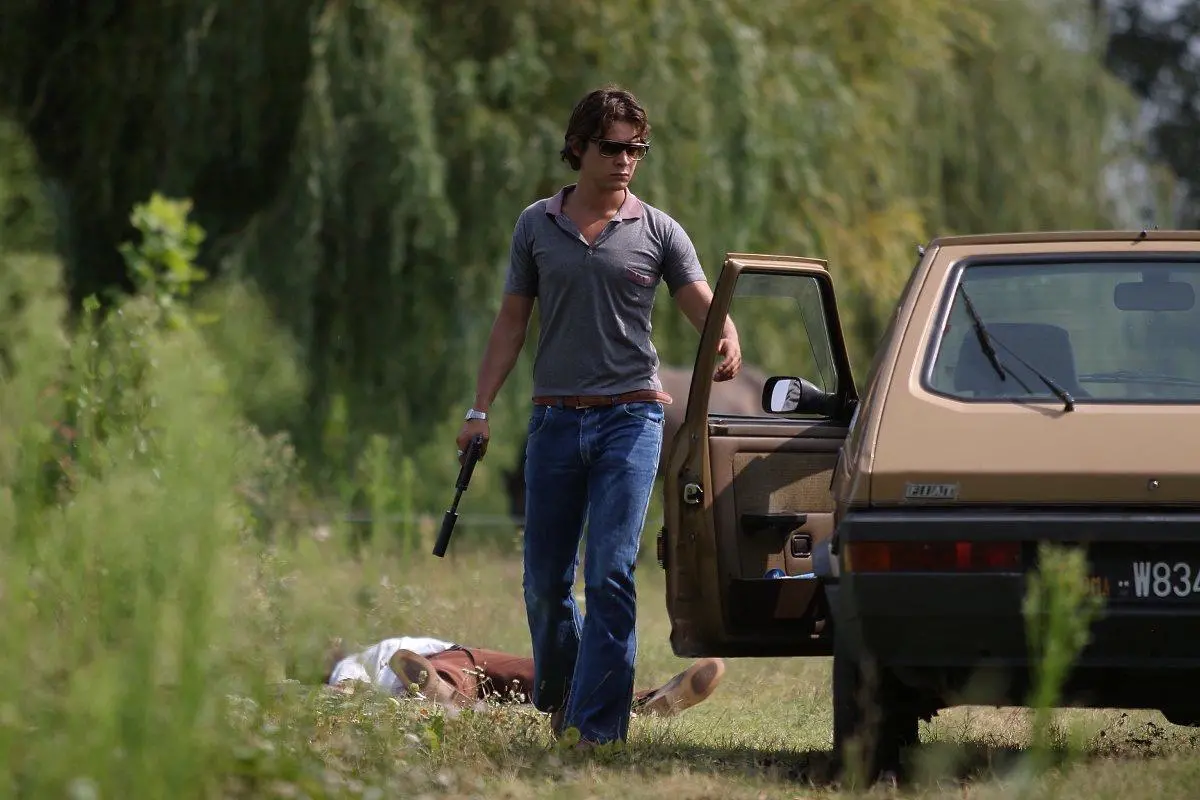
Riccardo Scamarcio
Copyright: Warner Bros
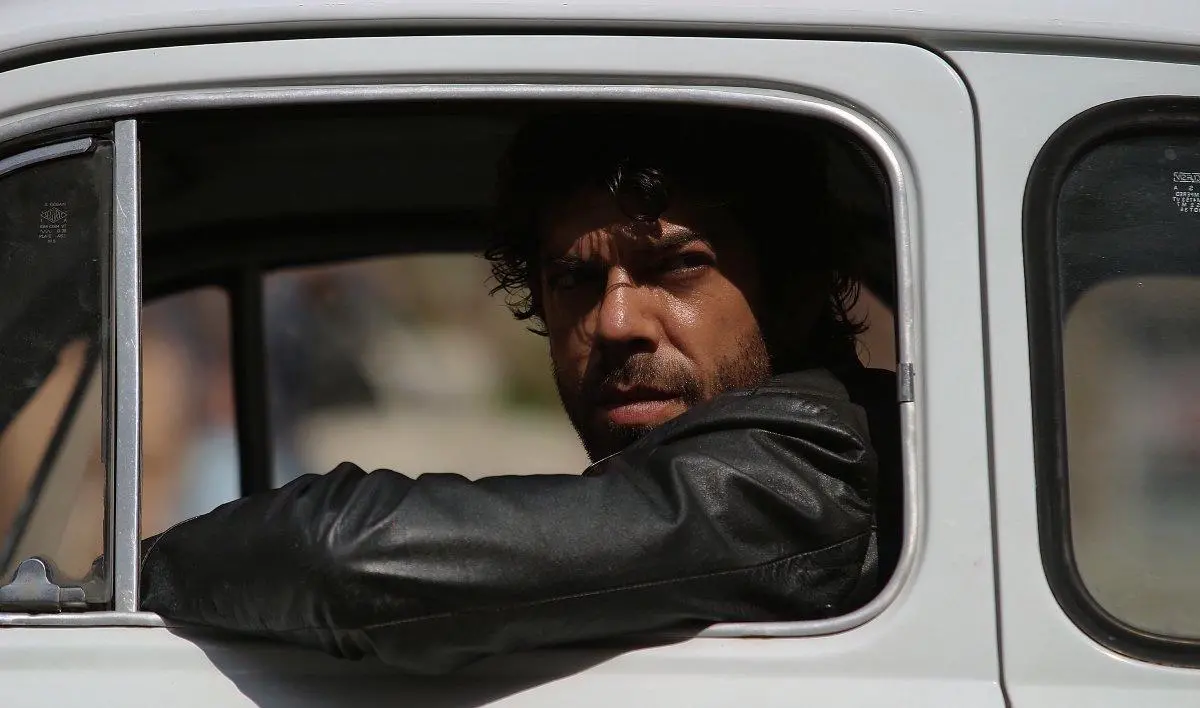
Pierfrancesco Favino
Copyright: Warner Bros
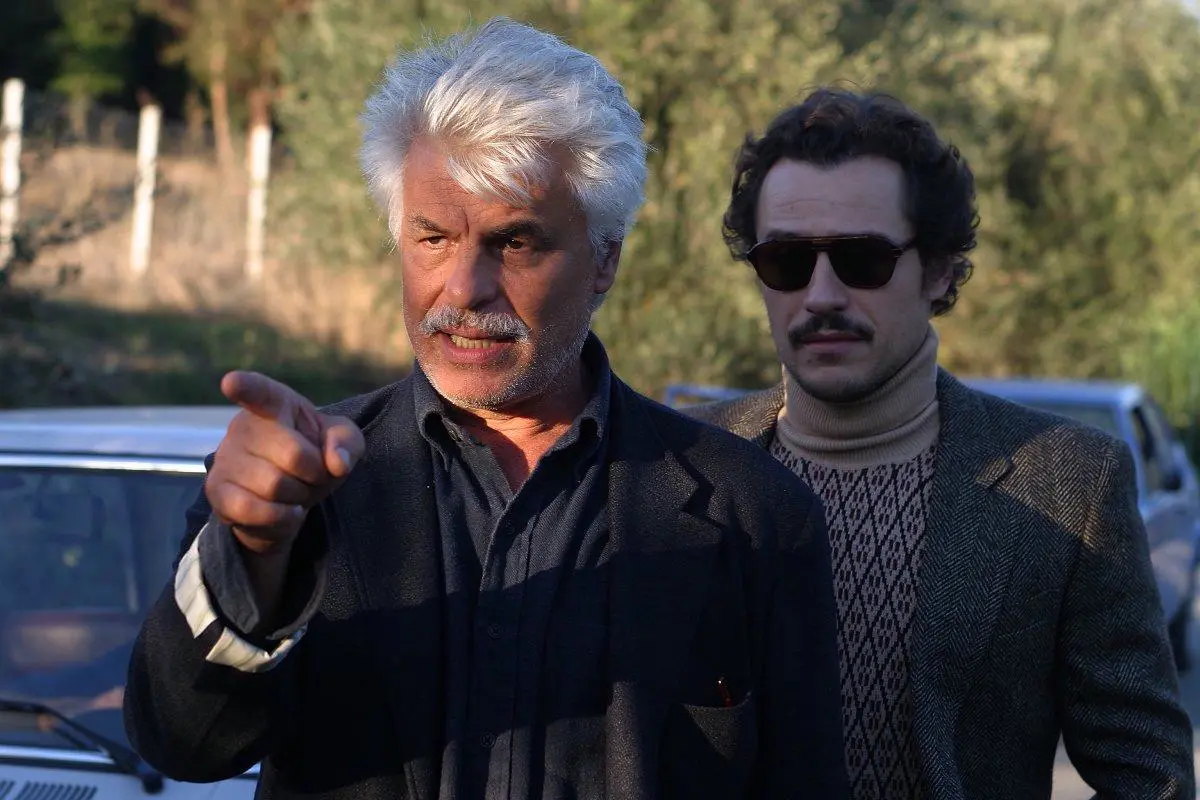
Michele Placido, Stefano Accorsi
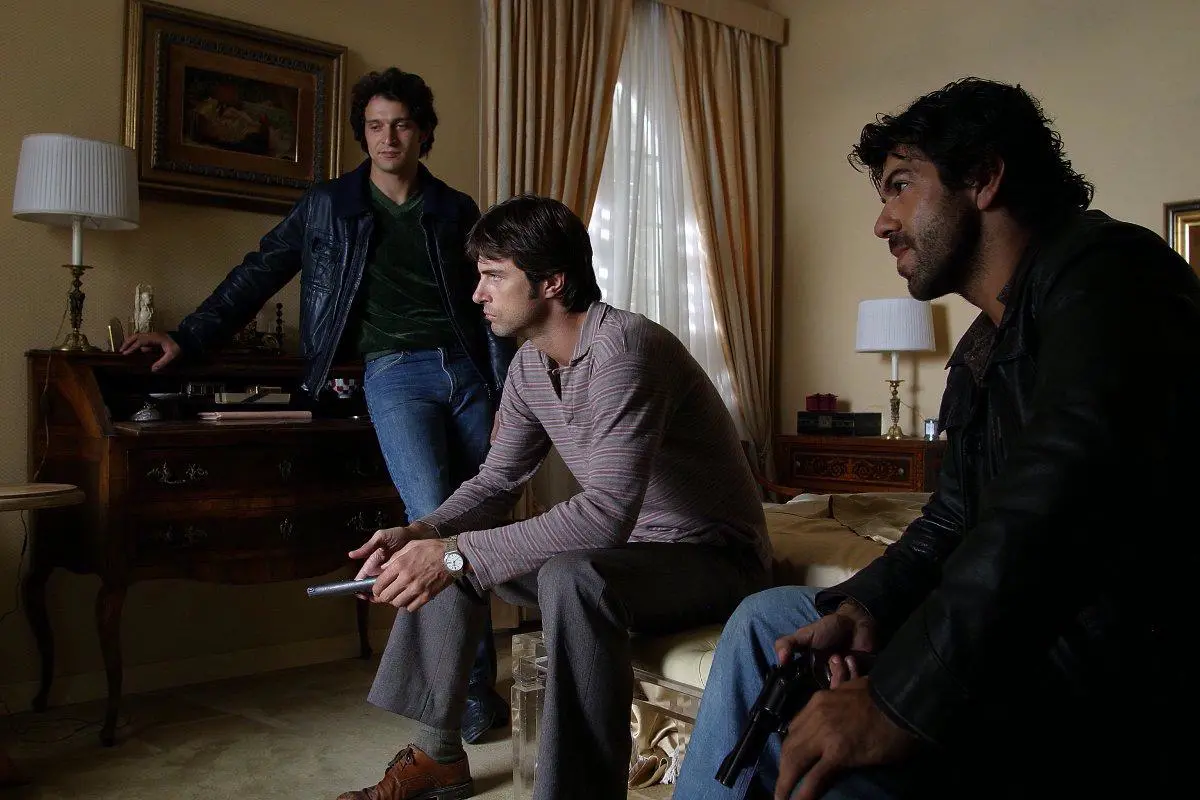
Copyright: Warner Bros
Claudio Santamaria, Kim Rossi Stuart, Pierfrancesco Favino

Cattleya, Babe Films, Warner Bros
Based on the novel of the same title by Giancarlo De Cataldo. The activities of the “Banda della Magliana” and its successive leaders (Libanese, Freddo, Dandi) unfold over twenty-five years, intertwining inextricably with the dark history of atrocities, terrorism and the strategy of tension in Italy, during the roaring 1980’s and the Clean Hands (Mani Pulite) era.
Trans women face unique challenges, including high rates of stigma and discrimination, which can impact mental health and body image.
A frequently misunderstood area of this process involves genital development and the impact of transitioning on sexual health. Hormones and Genital Changes
While testosterone suppression can reduce libido for some, others report consistent or even increased sexual desire, particularly with the addition of progesterone.
The decision to undergo surgery (or not) is a deeply personal one, with many opting to define their own gender expression without the pressure of societal expectations.
Many in the community prioritize their mental and physical health over conforming to stereotypes, finding that true comfort comes from inner alignment rather than external validation. Embracing Autonomy and Self-Image
Ultimately, the goal for many is to build a positive self-image and a comfortable, authentic life in the face of societal pressures, finding confidence in their own skin.
The portrayal of trans women in adult media often emphasizes specific genital characteristics, which does not reflect the diversity of trans experiences. Many individuals note that the "hyper-sexualized" imagery in pornographic media can perpetuate misconceptions about what constitutes a "typical" trans body.
Trans women face unique challenges, including high rates of stigma and discrimination, which can impact mental health and body image.
A frequently misunderstood area of this process involves genital development and the impact of transitioning on sexual health. Hormones and Genital Changes
While testosterone suppression can reduce libido for some, others report consistent or even increased sexual desire, particularly with the addition of progesterone.
The decision to undergo surgery (or not) is a deeply personal one, with many opting to define their own gender expression without the pressure of societal expectations.
Many in the community prioritize their mental and physical health over conforming to stereotypes, finding that true comfort comes from inner alignment rather than external validation. Embracing Autonomy and Self-Image
Ultimately, the goal for many is to build a positive self-image and a comfortable, authentic life in the face of societal pressures, finding confidence in their own skin.
The portrayal of trans women in adult media often emphasizes specific genital characteristics, which does not reflect the diversity of trans experiences. Many individuals note that the "hyper-sexualized" imagery in pornographic media can perpetuate misconceptions about what constitutes a "typical" trans body.