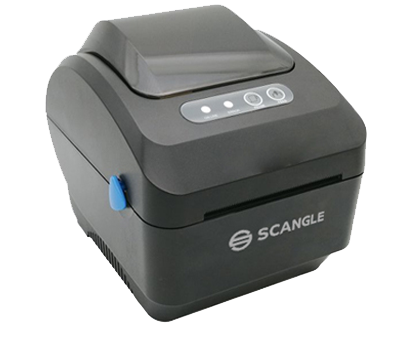
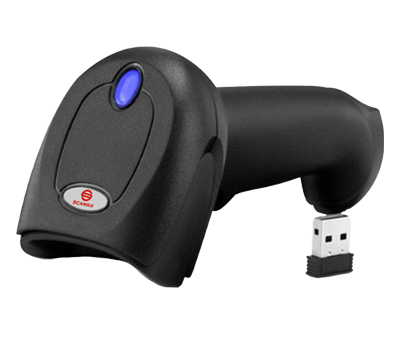
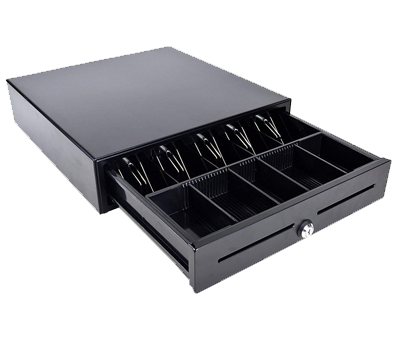
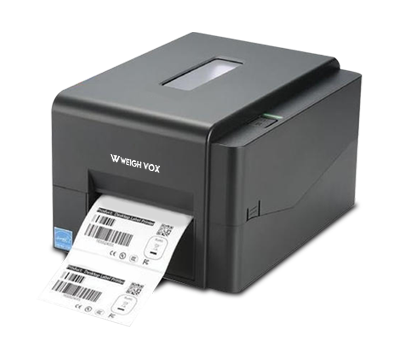
Amazing App Features THERMAL RECIEPT PRINTER

From a functional standpoint, the allure of the 2023 edition of Photoshop is immense. This specific iteration introduced groundbreaking artificial intelligence integrations, advanced neural filters, and automated object selection tools that dramatically reduce workflow times. For a student, hobbyist, or independent creator operating on a shoestring budget, paying a monthly or yearly tribute to access these tools can feel like an insurmountable barrier to entry. In this light, cracked software is often viewed by its users not as a malicious act of theft, but as a necessary democratization of art. Proponents argue that creativity should not be locked behind a paywall and that digital piracy serves as a leveling force against corporate monopolies.
The digital age has ushered in a revolution in creative expression, with Adobe Photoshop standing as the undisputed titan of raster graphics editing. For decades, it has been the industry standard for photographers, graphic designers, and digital artists. However, the software’s shift to a subscription-based model via the Creative Cloud has sparked a parallel, shadow industry: the creation and distribution of "cracks," keygens, and unauthorized serial keys. The search for terms like "Adobe Photoshop CC 2023 Crack With Serial Key Full Latest" highlights a persistent conflict between the desire for premium creative tools and the high cost of legal accessibility. Adobe-Photoshop-CC-2023-Crack-With-Serial-Key--Full-Latest-
Ultimately, the quest for a "free" version of Adobe Photoshop CC 2023 exposes a critical flaw in the current software ecosystem: the gap between professional-grade pricing and amateur accessibility. While the financial barrier erected by subscription models is real and exclusionary to many, resorting to cracked software is a pyrrhic victory. It exposes users to immense cybersecurity threats and fosters an unsustainable cycle of theft. The solution lies not in piracy, but in the adoption of capable open-source alternatives or the push for software companies to provide more flexible, tiered pricing models for learners and non-commercial creators. From a functional standpoint, the allure of the
Beyond the immediate digital hazards, there are profound ethical and professional ramifications to consider. Software development on the scale of Adobe Photoshop requires thousands of hours of labor from engineers, designers, and researchers. Circumventing the payment structure directly undermines the economic model that produces such innovation. On a professional level, operating a business or freelance practice using pirated software is a massive liability. It violates intellectual property laws, exposes the creator to severe legal penalties, and fundamentally compromises professional integrity. Clients expect their media and data to be handled on secure, legally compliant systems; utilizing cracked software breaches that trust entirely. In this light, cracked software is often viewed
However, this democratization comes with severe, often invisible compromises. The distribution infrastructure for cracked software is inherently unregulated and frequently malicious. To bypass Adobe's complex licensing and anti-piracy checks, a "crack" must modify the core executable files of the application. This process requires users to download files from unverified third-party websites and disable their antivirus systems during installation. Consequently, these modified packages become the perfect trojan horses for malware, ransomware, and cryptocurrency miners. Users attempting to save money on a subscription fee frequently end up sacrificing the integrity of their personal data, or paying much larger sums to recover systems locked by cybercriminals.